How to Make Zucchini Noodles
Zucchini noodles have a bad reputation, and most of it comes from one thing: water. Zucchini is mostly water, and heat pulls it out fast. Cook the noodles too long or drown them in a thin sauce and you get a soggy bowl. Handle the water and they turn into a quick, tender base for pesto, scampi or meatballs.
For the numbers: raw zucchini with skin lists 3.11 g carbs and 1 g fiber per 100 g, USDA FoodData Central. That works out to about 2.1 g net carbs per 100 g.
Pick the right zucchini
Choose medium zucchini, about 7 to 8 inches long, firm and straight, with glossy skin. Huge zucchini are tempting, but they have big seedy centers and more water. Bent ones are hard to spiralize evenly. Plan on one medium zucchini per person as a main dish.
Leave the skin on. It holds the noodle together and adds color. Wash and dry the zucchini, then trim both ends flat so they grip the tool.
Tools
Countertop spiralizer
The crank-style models make the longest, most even noodles. They are the fastest choice if you cook zoodles every week. Most come with two or three blades. The medium blade gives a spaghetti-like strand.
Handheld spiralizer
It works like a big pencil sharpener. It is cheap and small, but slower, and it leaves a thick core behind. Good for one or two zucchini at a time.
Julienne peeler
A peeler with a toothed blade. Run it down the length of the zucchini and you get thin, straight strands. Stop when you reach the seeds. No special gadget, and it tucks into a drawer.
Plain vegetable peeler
Shave long, wide ribbons that look like pappardelle. Ribbons are great with creamy sauces and need almost no cooking.
Tip: spiralized noodles can be very long. Snip them a few times with kitchen scissors so they are easy to twirl and eat.
Draw out the water
You have two options. Pick one based on time.
Salt and drain (best texture)
- Put the noodles in a colander set over a bowl or the sink.
- Toss with about 1/2 teaspoon of salt per medium zucchini.
- Let them sit 15 to 20 minutes. You will see water drip out.
- Gently squeeze handfuls over the sink, then roll them in a clean towel and pat dry.
Go easy on salt in the sauce afterward, since the noodles are already seasoned.
Pat dry (fastest)
Spread the noodles on a towel, roll it up and press. It removes less water, so the cooking step matters more. Fine for a weeknight with a thick sauce.
Cook them without going soggy
Zucchini noodles need very little heat. You are warming them, not cooking them like pasta. Never boil them.
Quick sauté
- Heat a large skillet over medium-high heat with a little oil or butter.
- Add the dried noodles in a loose layer. Do two batches if the pan is crowded.
- Toss with tongs for 1 to 3 minutes, just until they turn bright and slightly tender.
- Take them off the heat while they still have some bite. They keep softening on the plate.
- Keep the lid off the whole time.
Toss in at the end
Make your sauce first. Turn off the heat, add the noodles to the pan and toss for a minute. The heat of the sauce warms them through. This is our go-to for scampi and pesto.
Serve raw
Raw zoodles are crisp and fresh. Top them with a hot sauce like meatballs in marinara, or dress them cold like a salad.
Drain before you plate
If a little liquid pools in the pan, lift the noodles out with tongs and leave it behind. Serve right away.
Sauces that work
Zucchini noodles like sauces that are thick, rich or oily. Those cling to the strands instead of collecting at the bottom.
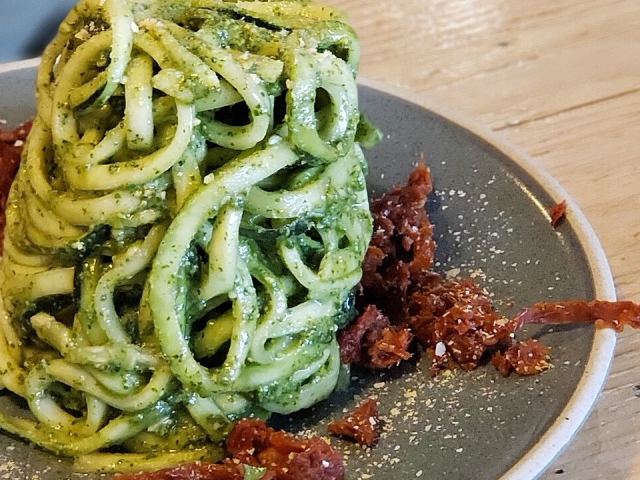
- Pesto: basil, pine nuts, parmesan, garlic and olive oil. Toss off the heat.
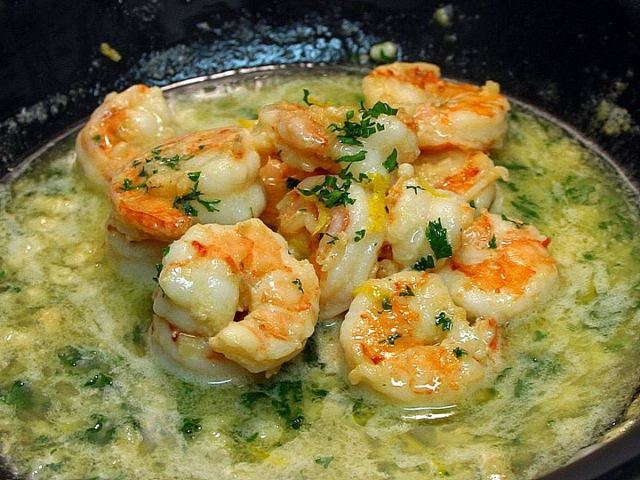
- Garlic butter and lemon: the scampi base. Add shrimp or chicken.
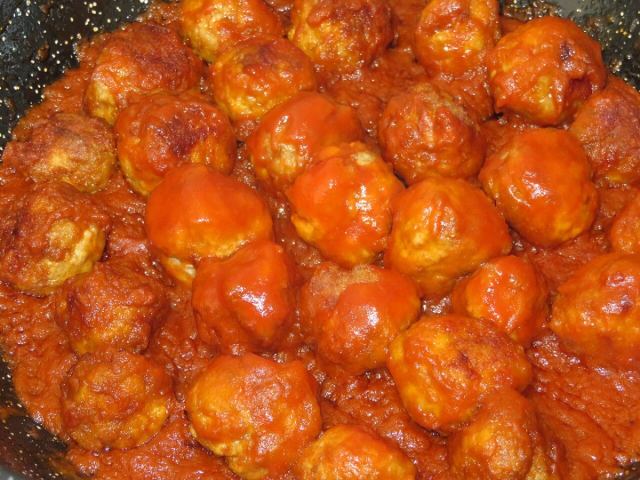
- Thick marinara or meat sauce: simmer it a few extra minutes so it is thicker than you would make for pasta. Choose one with no sugar added.
- Cream sauces: heavy cream reduced with parmesan, or loosened cream cheese. Ribbons are great here.
- Peanut or almond butter sauce: thinned with tamari, lime juice and a little water, served cold or warm.
Sauces that struggle: thin, brothy sauces and loose tomato sauces. The water from the zucchini thins them even more. If you love a soupy sauce, put the noodles in a bowl and ladle the sauce over, the way you would with ramen.
Storing
Raw zucchini noodles keep a few days in the fridge in a container lined with a paper towel. Do not salt them until you are ready to cook.
Cooked zucchini noodles do not hold well. They keep releasing water. If you are packing leftovers, store the sauce and the noodles separately. Refrigerate within 2 hours and eat within 3 to 4 days. Reheat the sauce, then toss the noodles in for a minute.
We do not freeze zucchini noodles. They thaw limp and watery. If you have extra zucchini, chop it and freeze it for soup instead.
Quick fixes
- Watery bowl: salt and drain next time, cook in batches and shorten the time.
- Mushy noodles: they cooked too long. Two minutes is plenty.
- Bland: add more garlic, lemon, parmesan or a pinch of red pepper flakes.