Low Carb Pantry Basics
A good pantry turns a pack of chicken thighs into dinner without a trip to the store. Ours is not fancy. It is a short list of things we use over and over, stored so they stay fresh. Here is what we keep, where we keep it, and what we read on the label before it goes in the cart.
Fats and oils
Fat carries flavor and does a lot of the cooking work in low carb recipes. We keep a small set.
- Olive oil for dressings, roasting and most sautéing.
- Avocado oil for high-heat searing, like steak bites and stir-fries.
- Butter for eggs, pan sauces and baking.
- Coconut oil for some baking and no-bake desserts.
- Toasted sesame oil as a finishing oil. A teaspoon flavors a whole skillet.
Storage: keep oils in a cool, dark cabinet, away from the stove and the window. Heat and light make them go stale faster. Toasted sesame oil keeps longer in the fridge once opened. Butter lives in the fridge. Extra sticks go in the freezer, still in their wrapper, inside a zip-top bag. If an oil smells like crayons or old paint, it has gone rancid. Toss it.
Nuts, seeds and nut flours
These handle baking, breading, crunch and snacks.
- Blanched almond flour for pancakes, mug cakes and coating fish.
- Ground flaxseed and chia seeds for puddings and binding.
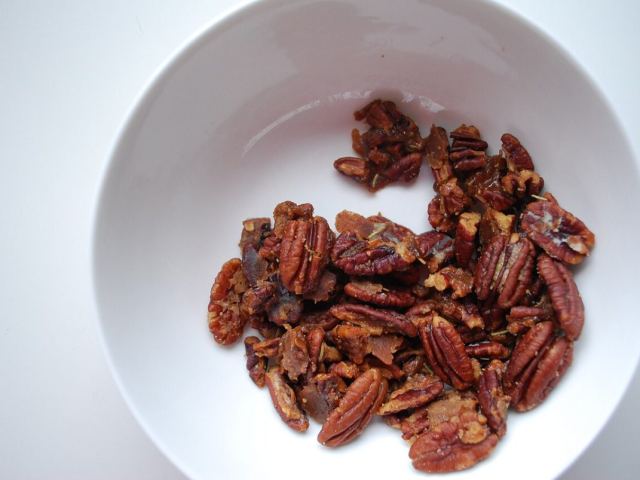
- Pecans, walnuts and pumpkin seeds for snacking and toasting.
- Pine nuts for pesto.
- Unsweetened shredded coconut for desserts and toppings.
- Almond butter and peanut butter with no sugar added.
Storage: nuts and nut flours are rich in oil, and that oil turns stale at room temperature. Keep a small jar in the cabinet for the week. If a bag will last you more than a few weeks, move it to an airtight container in the fridge or freezer. Let cold almond flour sit out for a bit before baking so it does not chill your batter. Smell before you use it. Fresh nuts smell sweet and nutty. Stale ones smell sharp or bitter.
Cheeses
Cheese adds salt, richness and melt. We keep a few that cover most recipes.
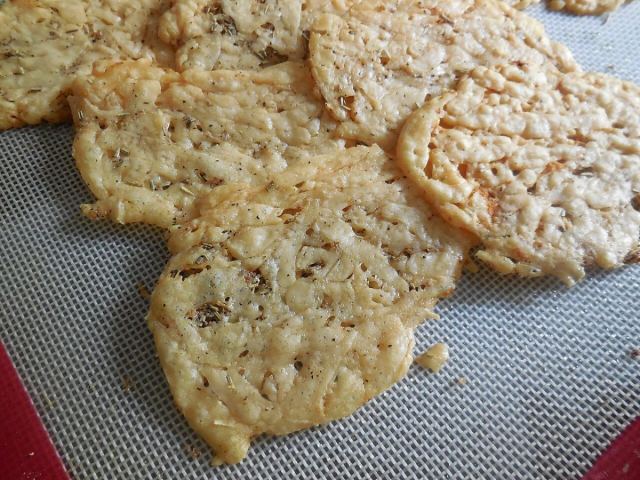
- Parmesan, bought as a wedge, for crisps, sauces and topping.
- Cheddar and Monterey Jack for melting.
- Whole milk mozzarella for baked dishes.
- Cream cheese for dips, sauces and desserts.
- Feta for salads and egg dishes.
Storage: wrap hard cheese in parchment or wax paper, then put it in a loose bag. It breathes and does not sweat. Keep soft cheeses sealed and follow the date on the package. Once opened, use them within the time the label gives.
Tip: shred your own when you can. Bagged shredded cheese is tossed with an anti-caking powder, often a starch or cellulose. It keeps shreds apart in the bag, but it can make sauces melt less smoothly.
Canned and jarred goods
These are the backup players that make fast dinners possible.
- Canned crushed tomatoes and marinara with no sugar added
- Salsa for chicken, eggs and taco bowls
- Chicken and beef broth
- Tuna in water
- Canned coconut milk
- Black olives, capers and sun-dried tomatoes in oil
- Mayonnaise, yellow mustard, tamari and hot sauce
Storage: unopened cans go in a cool, dry spot. Skip any can that is bulging, leaking or deeply dented along a seam. Once opened, move leftovers out of the can and into a covered glass or plastic container in the fridge. Follow the use-within note on the jar. If there is none, treat it like leftovers and use it within 3 to 4 days. Extra broth freezes well in an ice cube tray. Pop out the cubes and bag them.
Spices and dried herbs
A well-stocked spice drawer is the cheapest way to make simple food taste like something.
- Garlic powder and onion powder
- Paprika, chili powder and ground cumin
- Dried oregano, thyme, basil and dill
- Cayenne or red pepper flakes
- Ground cinnamon
- Black peppercorns for a grinder, and kosher or table salt
Storage: keep jars closed tight and away from the stove. Ground spices fade over time. They do not spoil, they just lose punch. Rub a pinch between your fingers. If the smell is faint, it is time to replace it. Buy small jars of the spices you use least.
What to check on labels
The front of a jar says what the brand wants you to notice. The ingredient list and the Nutrition Facts panel tell you what is inside.
Marinara and pasta sauce
Many jarred sauces add sugar to round out the tomatoes. Look for a sauce with tomatoes near the top and no sugar, cane sugar or corn syrup in the list. Our recipes count marinara with no sugar added, at 7.43 g carbs and 1.8 g fiber per 100 g, USDA FoodData Central. A sweetened sauce will read higher.
Broth
Most plain broth is close to zero. Our chicken broth entry lists 0.38 g carbs per 100 g, USDA FoodData Central. Some boxed broths and bouillon bases add sugar, dextrose or maltodextrin for body. Read the list.
Sauces and condiments
Barbecue sauce, teriyaki, sweet chili sauce and ketchup tend to carry added sugar. Even sriracha and Worcestershire sauce, which we do use, list 19.16 g and 19.17 g carbs per 100 g, USDA FoodData Central. That is why our recipes measure them by the teaspoon or tablespoon, not the cup.
Spice blends
Packaged taco seasoning and some rubs include sugar or starch. Mixing your own from chili powder, cumin, garlic powder, oregano and salt takes two minutes.
Words that mean sugar
Watch for sugar, cane sugar, brown sugar, honey, corn syrup, dextrose, maltodextrin, molasses and fruit juice concentrate. The Added Sugars line on the Nutrition Facts panel is the quickest check. Also look at the serving size on the label. It is often smaller than what you would pour.
Start small
You do not need all of this on day one. Start with olive oil, butter, a block of parmesan, a jar of no-sugar-added marinara, broth, almond flour and five spices. Add the rest as recipes call for them. A small pantry you actually use beats a big one full of stale jars.