A Practical Guide to Low Carb Meal Prep
Meal prep is not about eating the same sad box five days in a row. It is about doing the slow parts once, so weeknight cooking takes ten minutes. Here is how our test kitchen plans a prep day, packs it, keeps it safe and brings it back to life.
Plan before you shop
Think in parts, not whole meals
Instead of five finished dinners, cook building blocks you can mix all week.
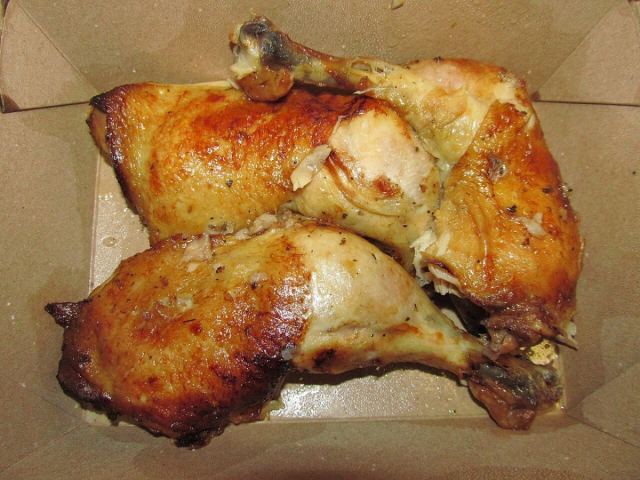
- Two proteins. For example, lemon herb chicken thighs and a pan of egg muffins.
- Two or three vegetables. One roasted, one raw and crunchy, one quick-cooking like cauliflower rice.
- One sauce or dressing. A jar of vinaigrette, pesto or salsa ties everything together.
On Tuesday that is chicken over cauliflower rice with salsa. On Wednesday it is the same chicken sliced over romaine with vinaigrette. Same work, different lunch.
Plan around the 4-day line
Cooked food keeps 3 to 4 days in the fridge. So if you prep on Sunday, plan to eat the fridge portions through Wednesday. For Thursday and Friday, freeze portions on prep day or do a short second prep midweek.
Write the list by store section
Group your list by produce, meat and seafood, dairy and pantry. You walk the store once and forget less. Check your pantry first so you do not buy a third jar of paprika.
Run prep day in order
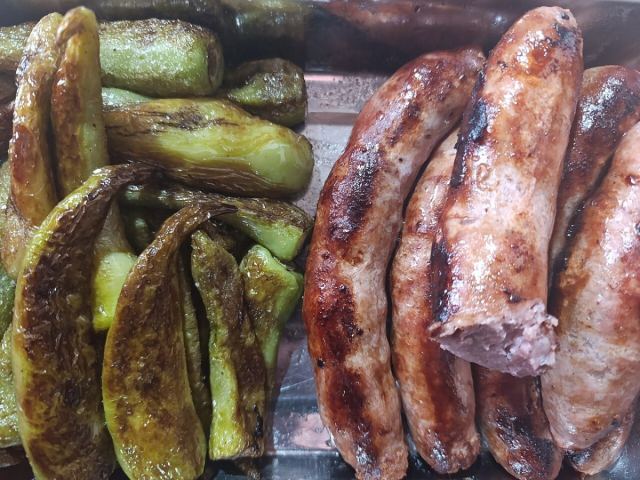
- Oven first. Preheat and get sheet pans of chicken, sausage or vegetables roasting. They need the longest time and the least attention.
- Stovetop next. While the oven works, brown ground beef, simmer a soup or cook a skillet dish.
- Raw prep while things cook. Wash and dry greens, slice peppers and cucumbers, rice the cauliflower, mix the dressing.
- Cool, then pack. More on this below.
- Clean as you go. Fill the sink with hot soapy water at the start and drop tools in as you finish with them.
A typical prep session takes about two hours and covers most of the week.
Containers
- Glass with snap lids reheats well, does not stain from tomato sauce and goes in the dishwasher.
- Shallow beats deep. Food in a shallow container cools faster and reheats more evenly.
- Divided containers or small cups keep sauce away from greens and crispy things.
- Freezer bags laid flat save space for soups, meatballs and cooked meat.
- Labels. A strip of masking tape and a marker. Write what it is and the date you cooked it. Every time.
Cooling food safely
This is the step most people skip. Bacteria grow fastest between 40°F and 140°F, so the goal is to get hot food cold quickly.
- Refrigerate within 2 hours of cooking. On a hot day, above 90°F, cut that to 1 hour.
- Divide big batches. A full pot of soup stays warm in the middle for hours. Split it into shallow containers.
- Cut large pieces. Slice a big roast or a tray of chicken before chilling.
- Leave some space. Do not stack warm containers tight against each other in the fridge. Air needs to move around them.
- It is fine to put warm food in the fridge. You do not need to wait until it reaches room temperature.
- Keep the fridge at 40°F or below. An inexpensive fridge thermometer tells you for sure.
How long things keep
Fridge
Cooked leftovers, including meat, eggs, soups and cooked vegetables, keep 3 to 4 days at 40°F or below. Count from the day you cooked them, not the day you packed them. When in doubt, throw it out. You cannot smell or see the bacteria that cause trouble.
Raw prep such as washed lettuce and sliced peppers lasts a few days in a container lined with a paper towel. Follow the date on store-bought items like deli meat and soft cheese once opened.
Freezer
Food kept frozen at 0°F stays safe, but quality fades over time. For the best flavor and texture, eat frozen leftovers within 2 to 3 months.
Freezes well: meatballs, soups, cooked chicken thighs, browned ground beef, egg muffins, stuffed peppers, almond flour pancakes.
Freezes poorly: lettuce, cucumber, zucchini noodles, mayonnaise-based salads like egg or tuna salad, and hard-boiled egg whites. Cream sauces can separate. They are safe, just grainy.
Thawing
Thaw in the fridge overnight. It is the safest method. For faster thawing, use the microwave defrost setting and cook or reheat right away. Do not thaw on the counter.
Reheating
- Heat to 165°F. An instant-read thermometer in the center tells you. Steam alone is not proof.
- Microwave: cover loosely, leave a vent, and stir or flip halfway. Microwaves leave cold spots.
- Skillet or oven: best for anything that should stay crisp, like roasted vegetables, sausage or salmon cakes. A hot skillet with a teaspoon of oil revives them in minutes.
- Soups and sauces: bring to a simmer on the stove, stirring.
- Reheat only what you will eat. Take one portion out, not the whole container.
Keep it from getting soggy
- Pack dressing and sauce on the side.
- Store greens dry and add them right before eating.
- Keep crunchy toppings like toasted pecans or pumpkin seeds in a separate bag.
- Undercook vegetables slightly on prep day. They soften more when reheated.
A sample prep
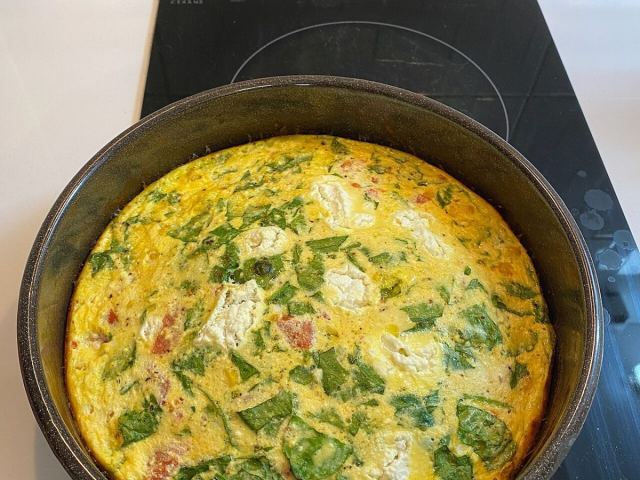
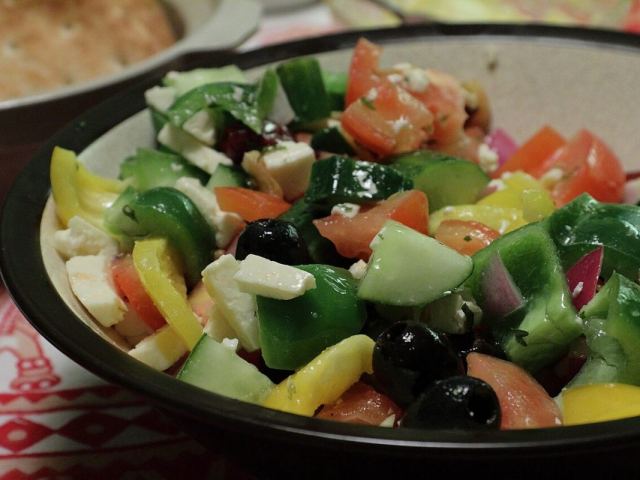
Sunday: a sheet pan of sausage and vegetables, a batch of lemon herb chicken thighs, a dozen spinach feta egg muffins, a container of Greek chicken salad and a jar of vinaigrette. Eat the salad and some chicken first, since they are best fresh. Freeze half the egg muffins for Thursday and Friday breakfasts. Make egg roll in a bowl fresh on Wednesday night. It takes 20 minutes and resets the fridge for the rest of the week.